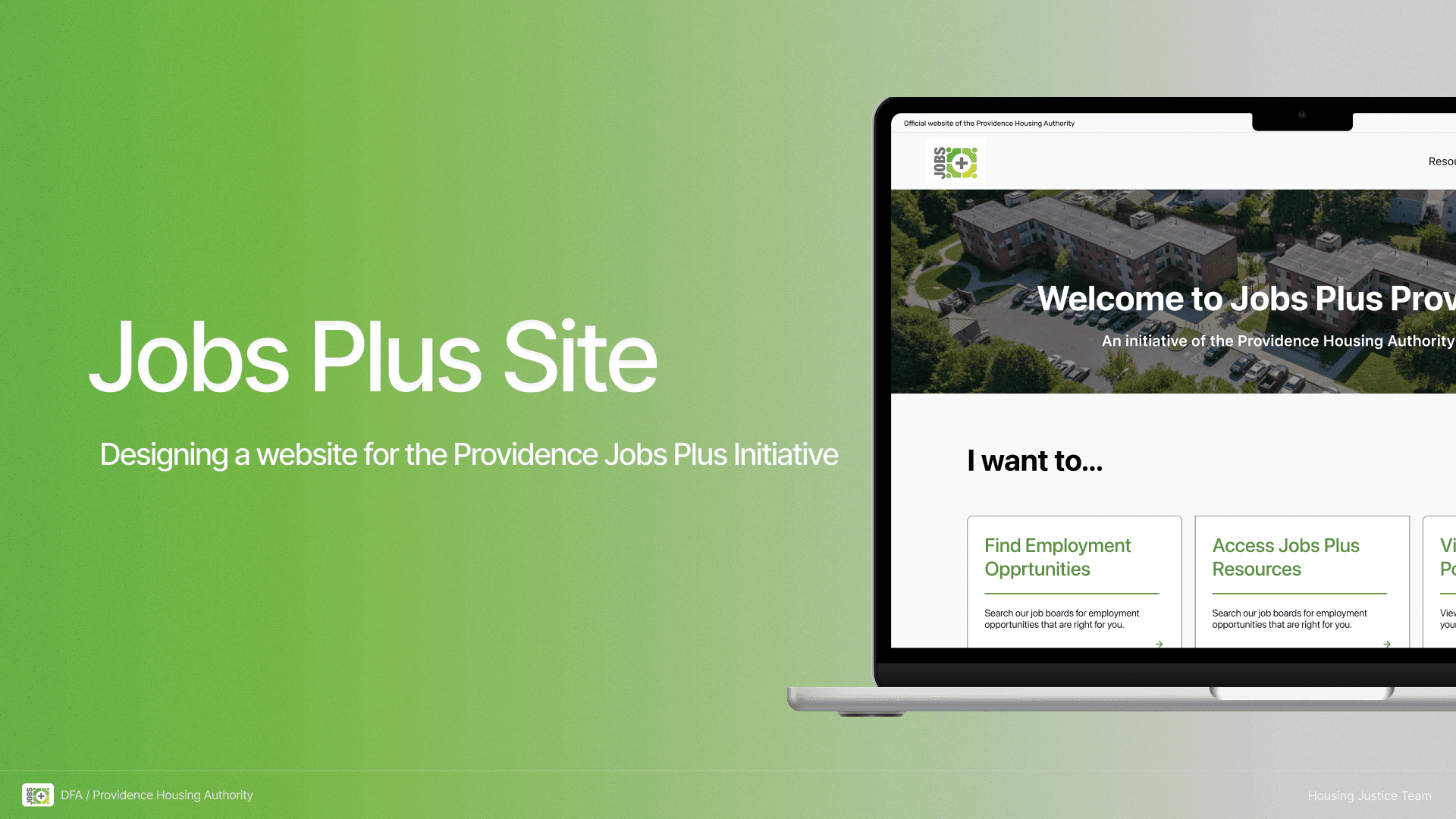
CONTEXT
MY ROLE
Product Designer
TIMELINE
Sep 2024 - May 2025
TEAM
1 PM, 5 Designers
SKILLS/TOOLS
Figma/Figjam
Competitive Analysis
User Interviewing
Stakeholder Communication
Engineer Handoff
Prototyping
OVERVIEW
In collaboration with the Providence Housing Authority (PHA), I worked on the Housing Justice team within Design for America’s Brown–RISD chapter, serving as a primary product designer and user researcher. I contributed to designing a digital user interface for the Jobs Plus initiative the Providence Housing Authority was pioneering through a grant-funded program aimed to increase public housing residents’ financial literacy and offer access to employment resources.
What is Jobs Plus?
Jobs Plus is an employment initiative operated by the Providence Housing Authority, funded through grants and targeted toward residents in specific public housing areas. The program focuses on employment readiness, job training and placement, job retention support, and work-enabling services. Jobs Plus represents a critical component of PHA’s mission in offering public housing residents pathways to economic opportunity and self-sufficiency.
THE PROBLEM
Public housing residents face invisible barriers to employment that keep opportunity out of reach.
Navigating employment services is overwhelming and inaccessible for public housing residents seeking economic opportunity.
Information Access
Critical program details, eligibility requirements, and available services were difficult to find and understand
Digital Divide
Limited access to technology and varying levels of digital literacy created additional hurdles
Service Fragmentation
Multiple touchpoints and disconnected systems made navigating available resources overwhelming
Trust Gap
Historical underinvestment in public services created skepticism about program effectiveness
Anchored by these key insights, we defined a central question that would guide our research moving forward:
HOW MIGHT WE
Identify and reduce barriers to economic opportunity for PHA residents through an accessible digital interface that considers the systemic, informational, and technological barriers Providence Housing Authority residents face when accessing economic opportunities, while meeting residents where they are in terms of language, trust, and digital literacy?
COMPETITIVE ANALYSIS
Resources exist, but not in one place.
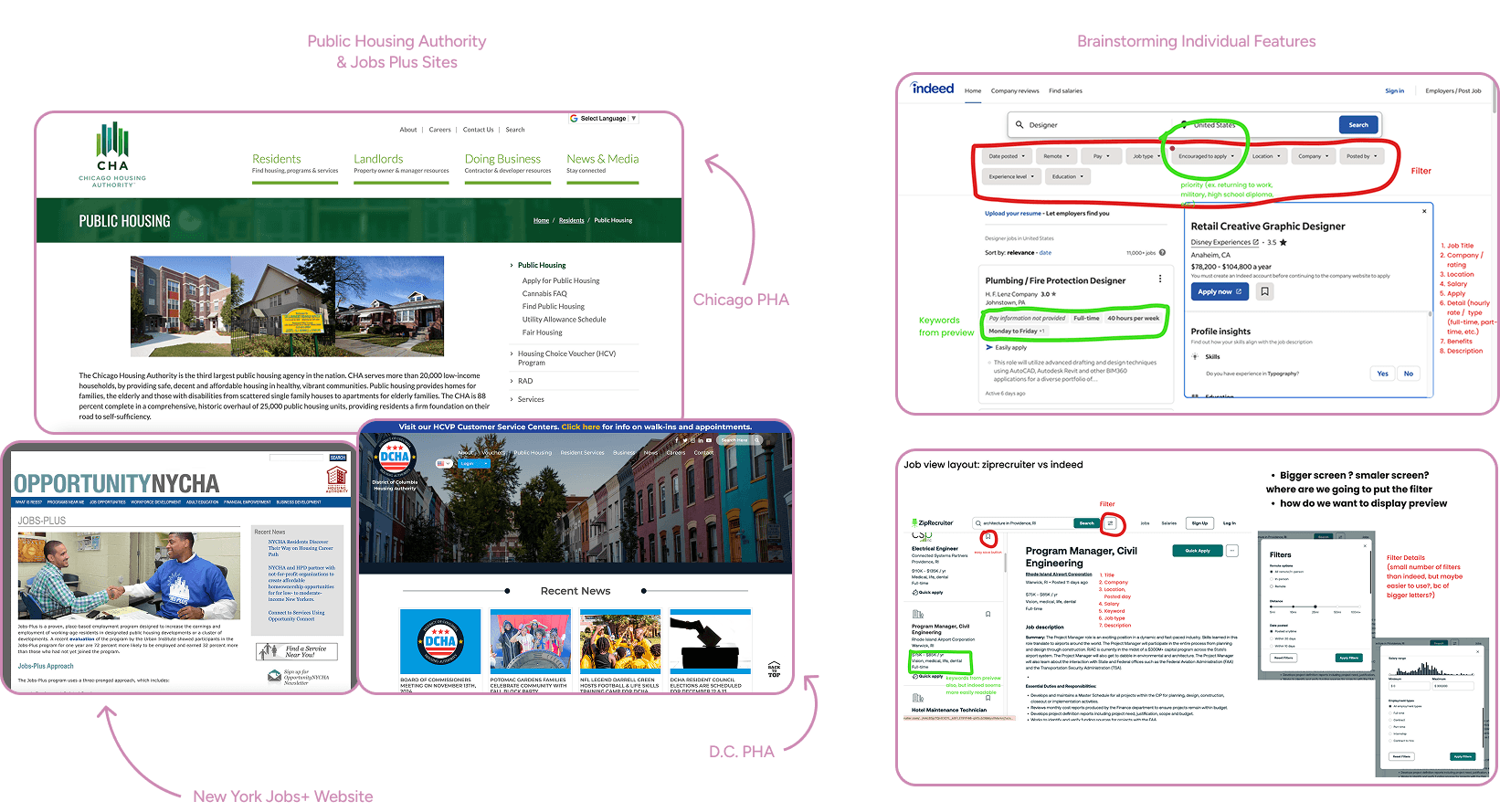
While commercial job platforms like LinkedIn and Indeed dominate the professional landscape, they are largely designed for individuals already established in the workforce. At the other end of the spectrum, government-run resources, such as Workforce.gov and state unemployment portals, do exist, but are often fragmented, bureaucratic, and not designed with the specific needs of public housing residents in mind. To better understand the current landscape of public housing and Jobs Plus websites from cities across the United States, we took detailed notes on how these sites are currently communicating their resources.
Similar Housing Authority Sites
Competitor Job Board Platforms



USER RESEARCH
Learning firsthand from the people who use and support the system.
Because we were designing a website for public housing residents whose lived experiences differ from those of our team, it was essential to ground our work in direct conversations rather than assumptions.
Resident Surveys
98 Spanish language respondents, 29 English language respondents
PHA Staff Interviews
Family Self-Sufficiency Coordinators (3), Resident Services Director (1) Resident Services Workforce Development Manager (1)
Resident Interviews
1 On-site visit to the Chad Brown neighborhood, interviewing 3 resident families
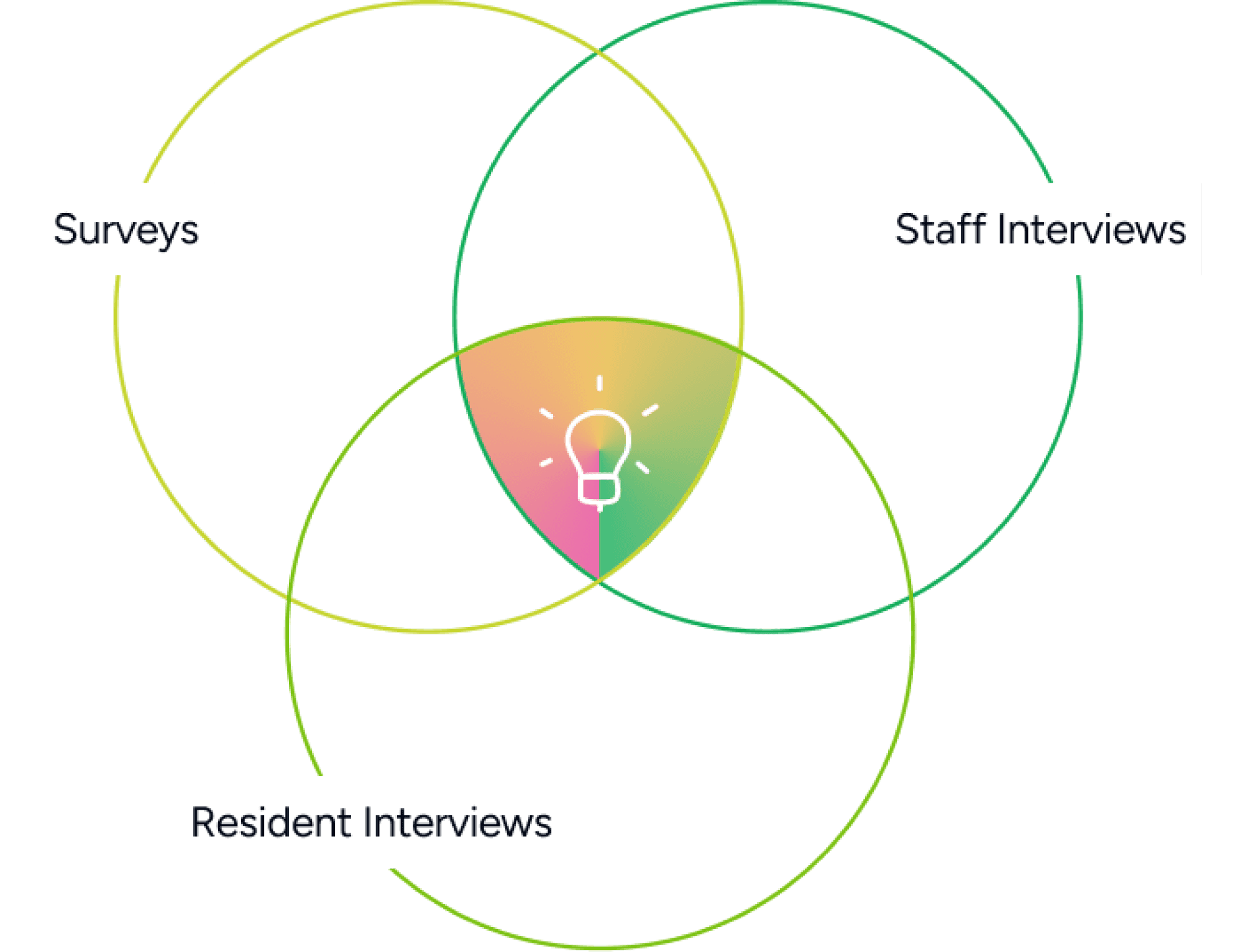
Interviewing both residents and PHA staff allowed us to understand residents’ real needs and goals while also learning how existing systems, constraints, and support structures operate, ensuring the final product reflected what residents actually want and what staff can realistically support.
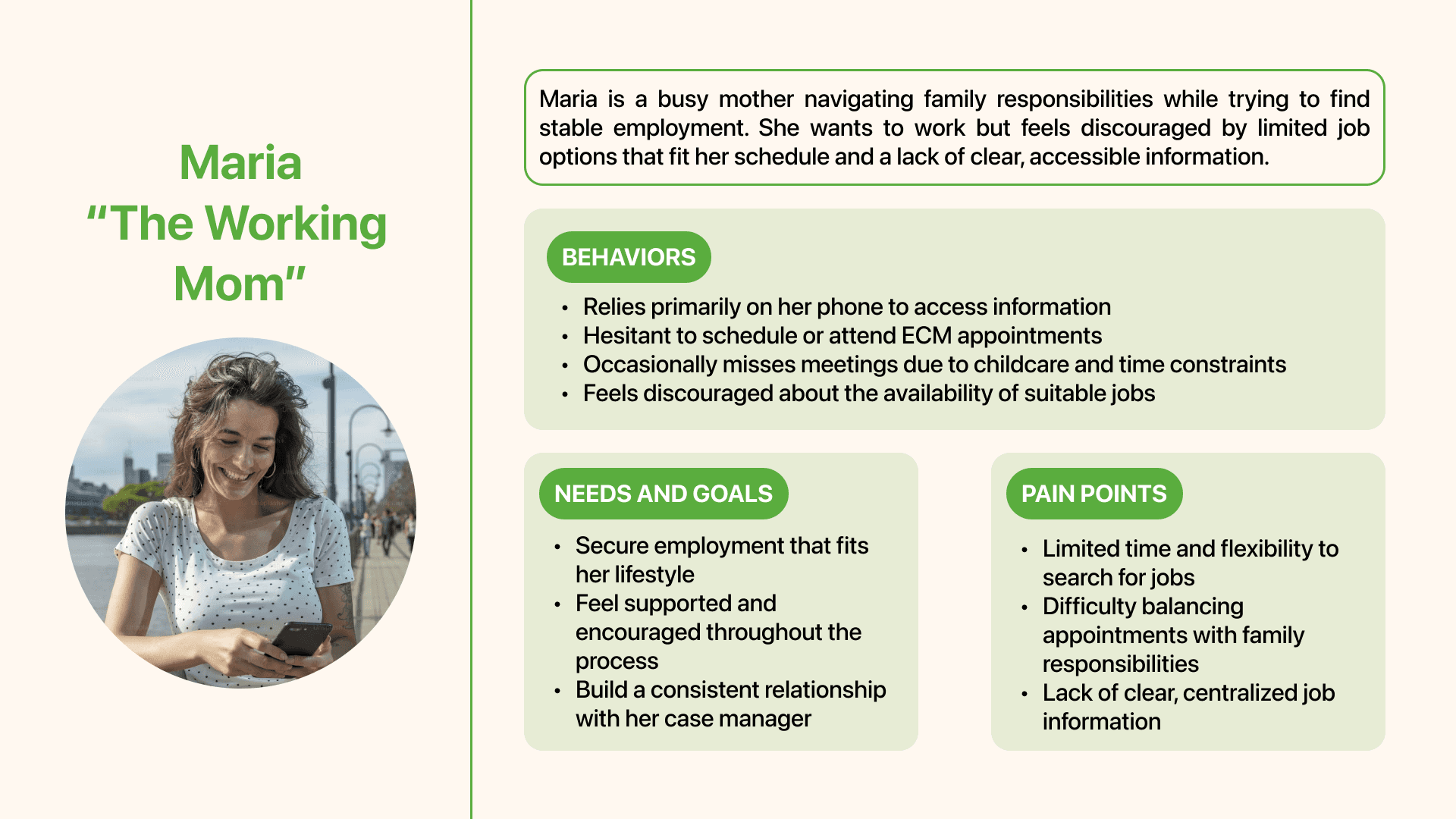
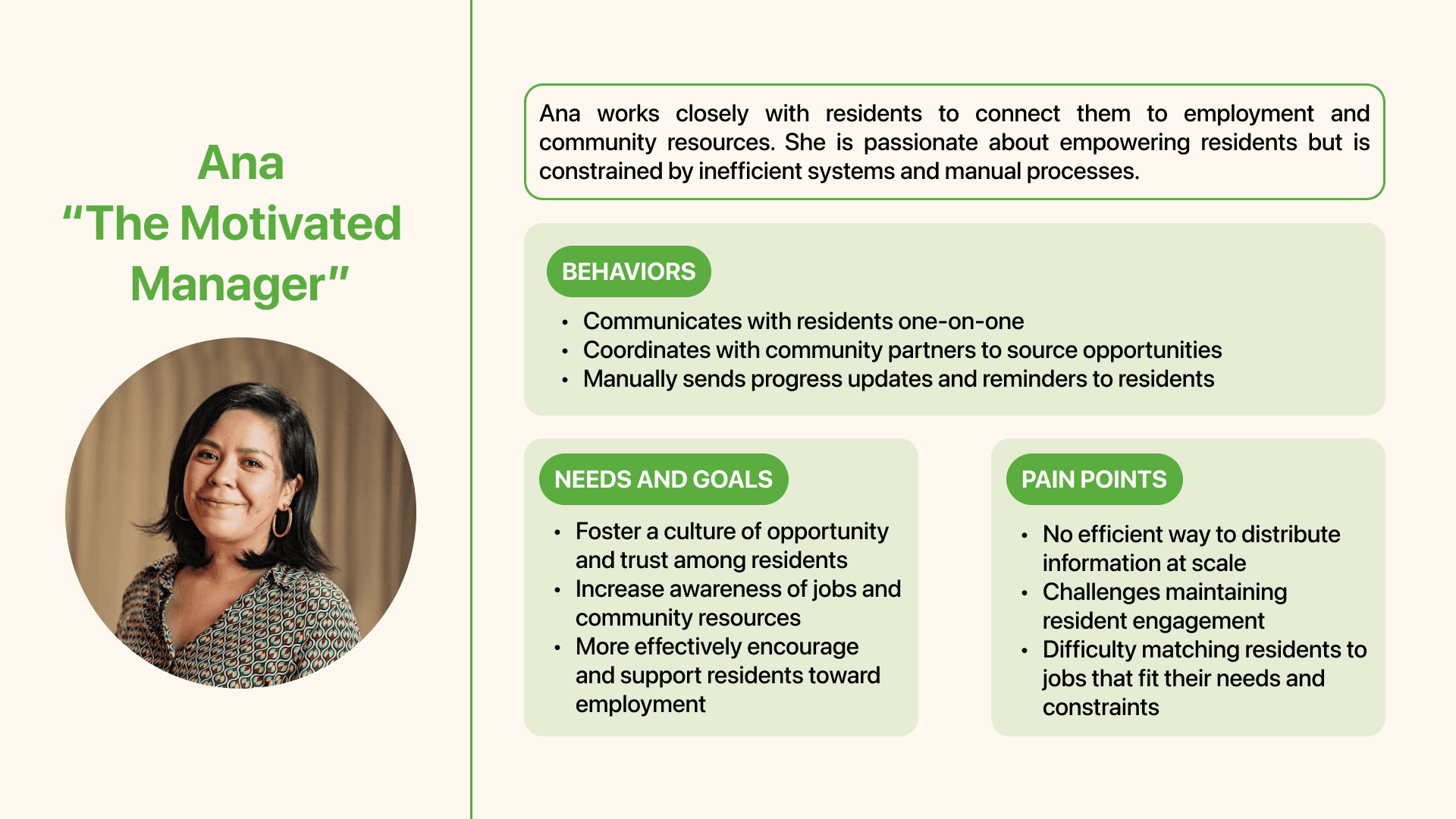
We then developed two main user personas that best embodied our both of our target audience’s needs, pain points and goals, including both a public housing resident and an employment case manager who works at Providence Public Housing.
STAKEHOLDER MEETINGS
Collaborating with stakeholders to define scope and success.
Throughout the project, we held weekly meetings with PHA leadership and case managers to ensure our solution aligned with both resident needs and organizational capacity.
We learned that...
Case managers were drowning in paperwork and couldn't track resident progress effectively
Existing systems (paper forms, spreadsheets) created data silos
Residents often missed appointments or opportunities due to lack of communication
Moving forward, we continued to stay in touch with our PHA coordinators for feedback and direction as we continued through the design process.
Key Insights
📊
Case management is high-touch and time-intensive, often requiring repeated calls, voicemails, walk-ins, and hands-on guidance through referral processes.
🚏
Community engagement is limited, as many residents are too busy or fatigued to attend events; information is primarily shared through word of mouth.
📱
Mobile-first digital use is common, with many residents (97.6%) comfortable using smartphones, and Facebook serving as a key communication hub.
IDEATION
Translating research and findings into design opportunities.
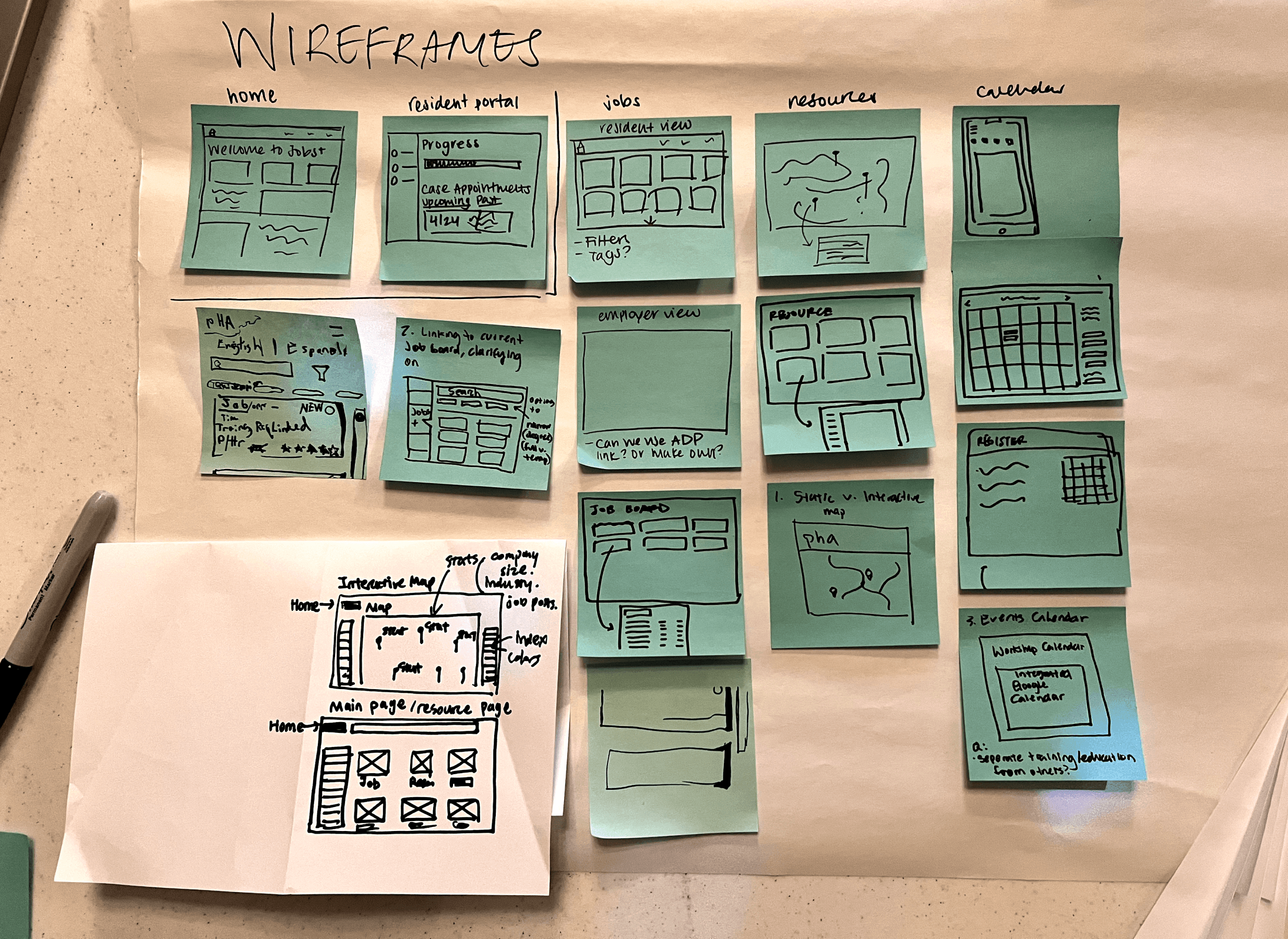
Building on our research insights, we started to brainstorm views for different features that could potentially improve the user experience for both residents and case managers based on their pain points. We then narrowed down to four main pages that would be on the website.
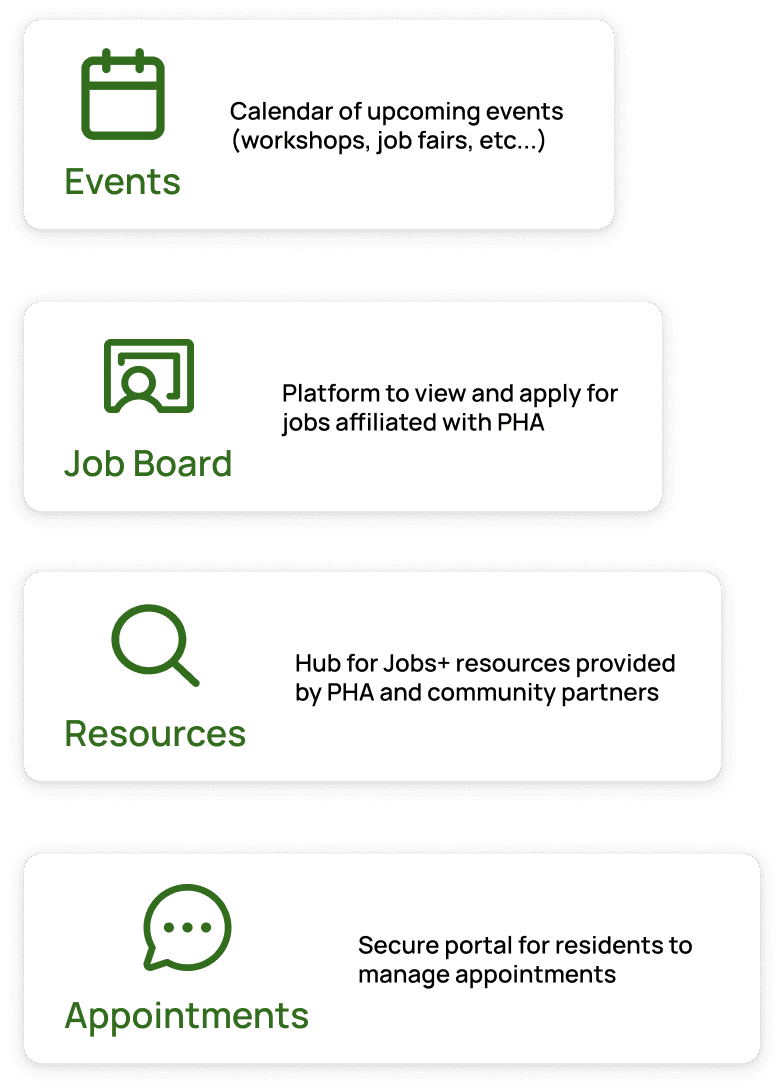
To have a clearer idea of the structure of our website, we moved onto designing an information architecture that prioritized clarity, accessibility, and ease of navigation. We mapped content around residents’ mental models to reduce friction and cognitive load.
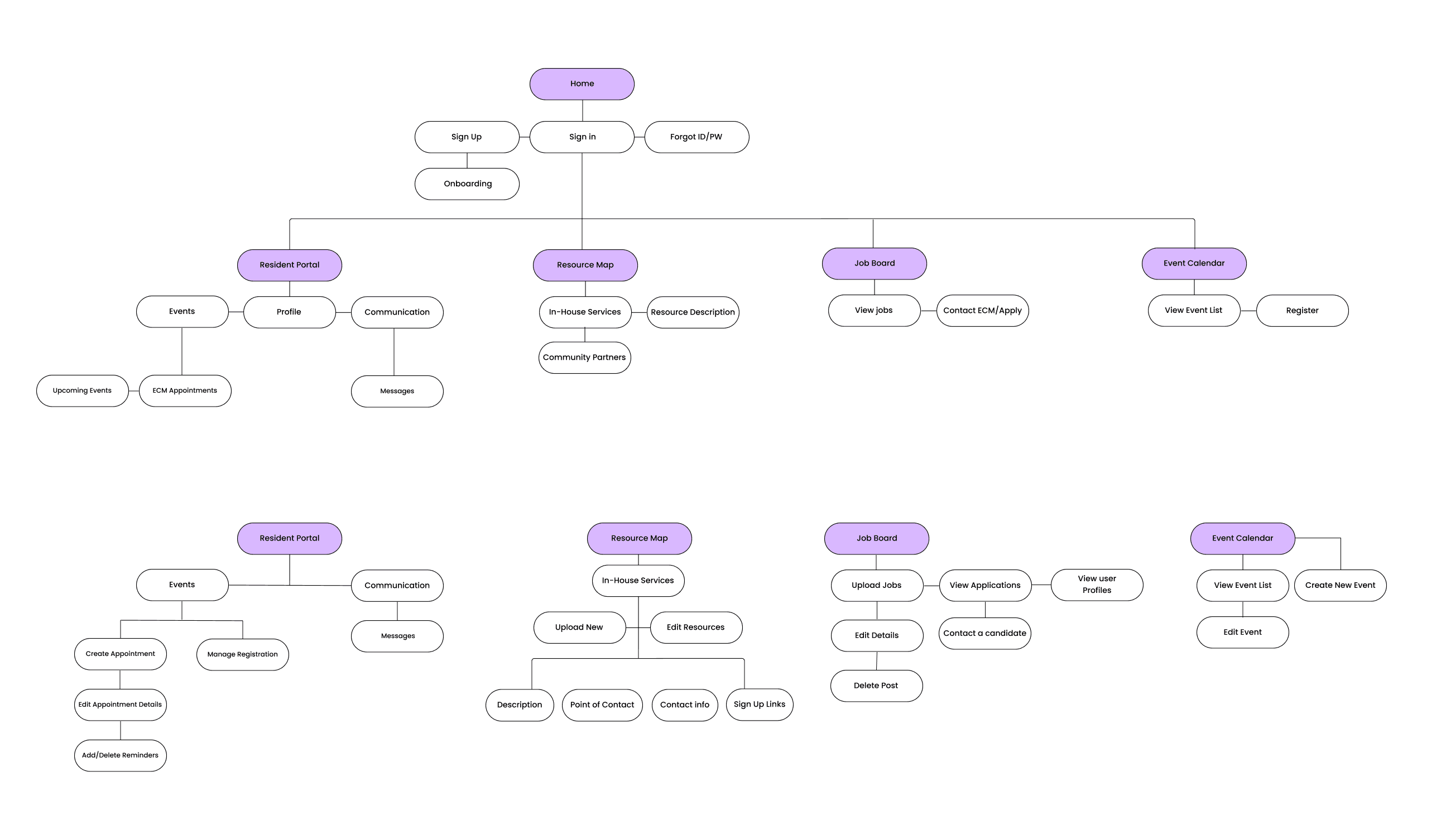
On top is the information architecture for the resident user experience; On bottom is the information architecture for the PHA administrative view user experience
ITERATIONS & USER TESTING
Event Calendar Iterations
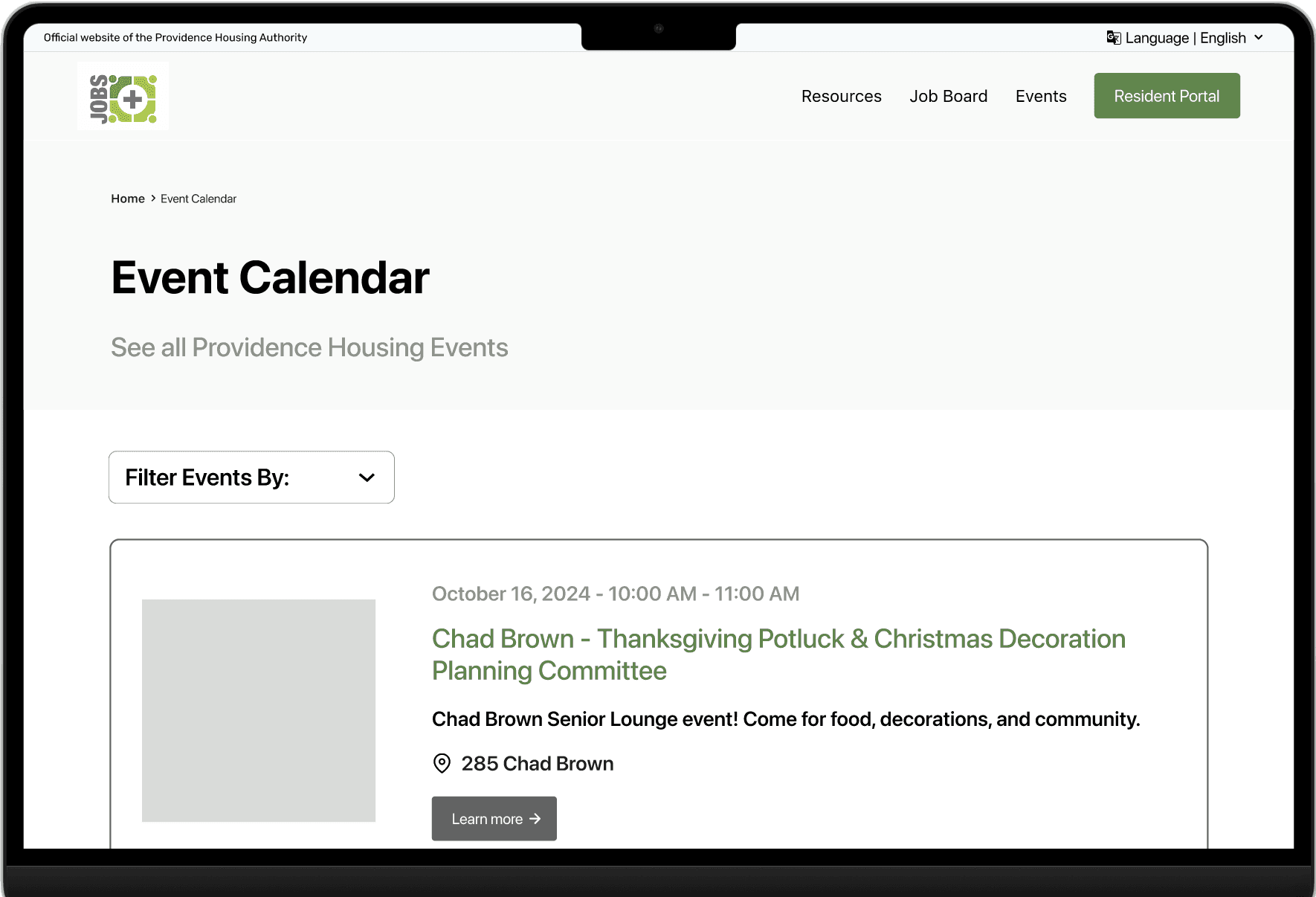
When responsibilities were divided, I took ownership of the Event Calendar page and led the design of an interface that was modern, visually engaging, and easy to navigate. I focused on creating a photo-forward experience that would make events feel approachable and encourage resident engagement, informed by insights from our user research.
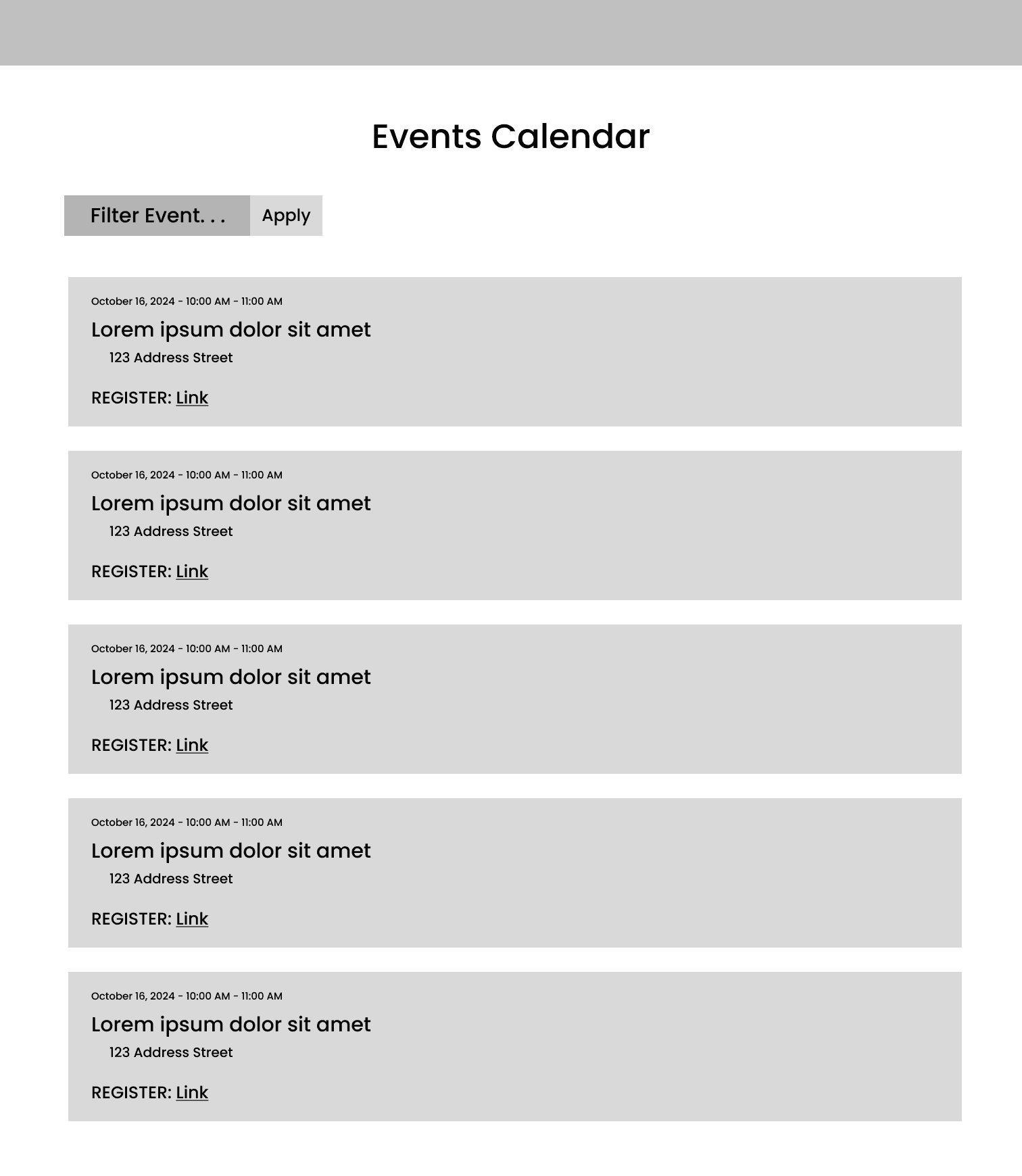
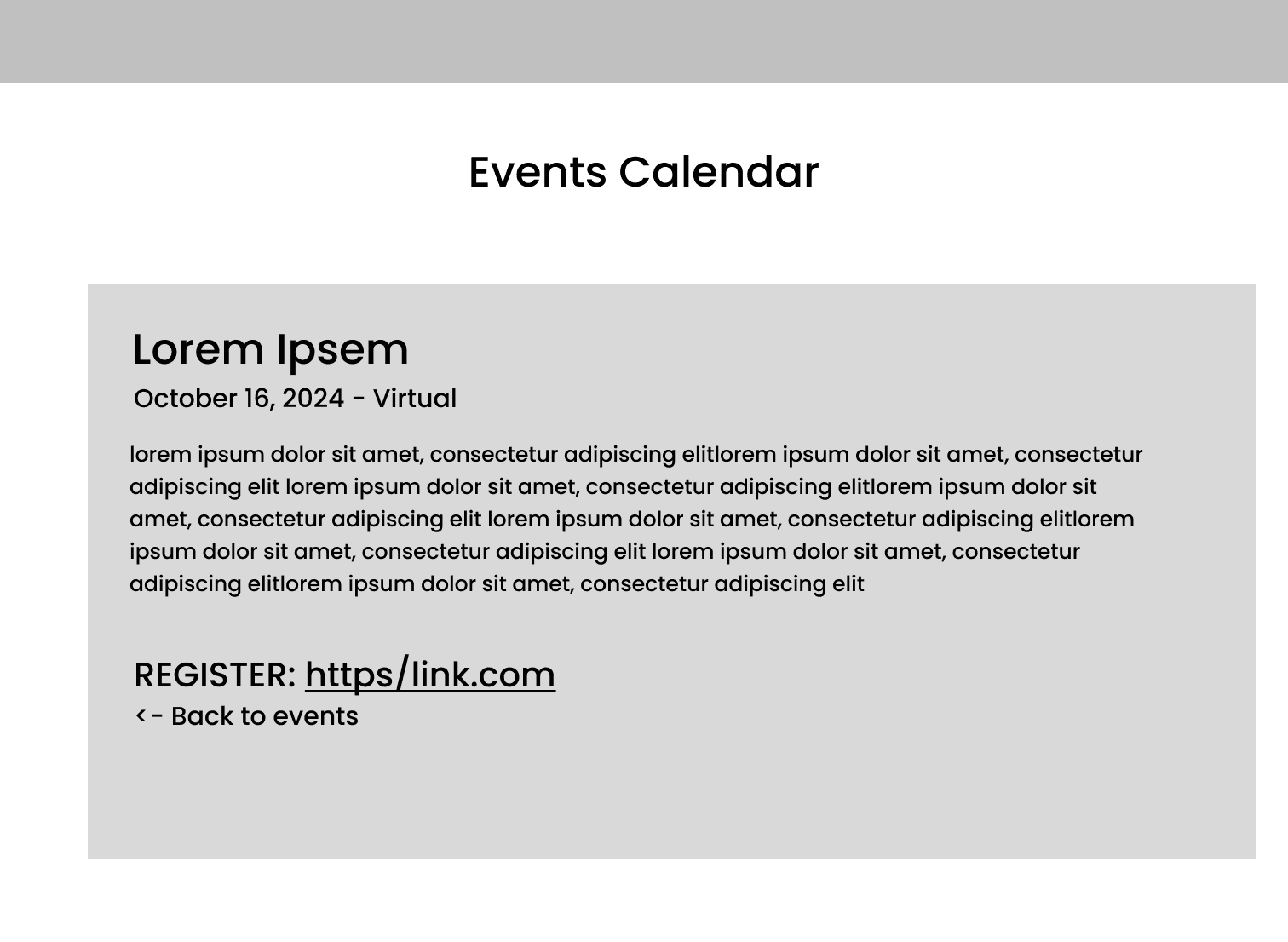
Low Fidelity
contains most of relevant information for events
lack of images and visual guiding
overwhelming wording and could possibly feel clustered with amount of information
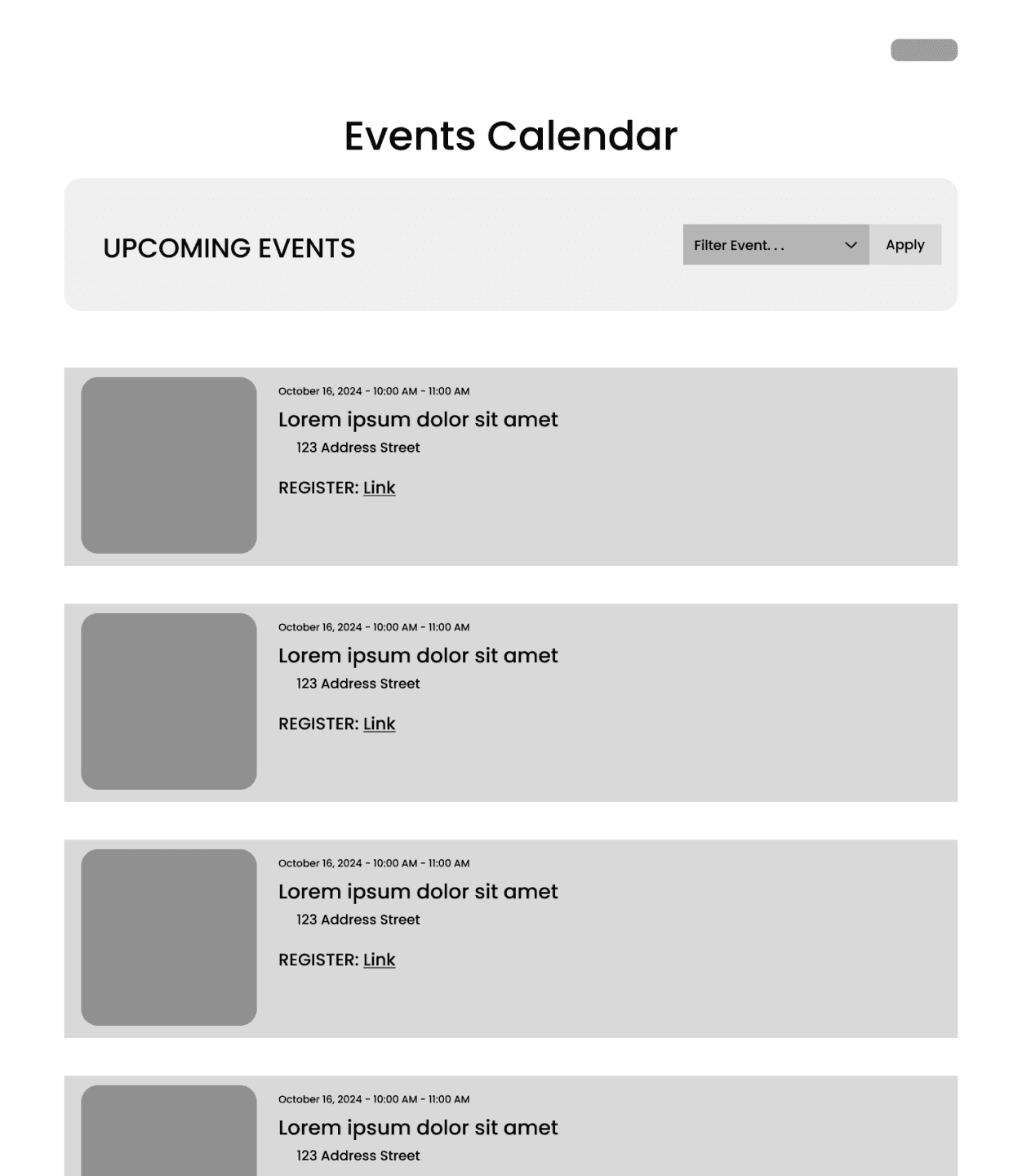
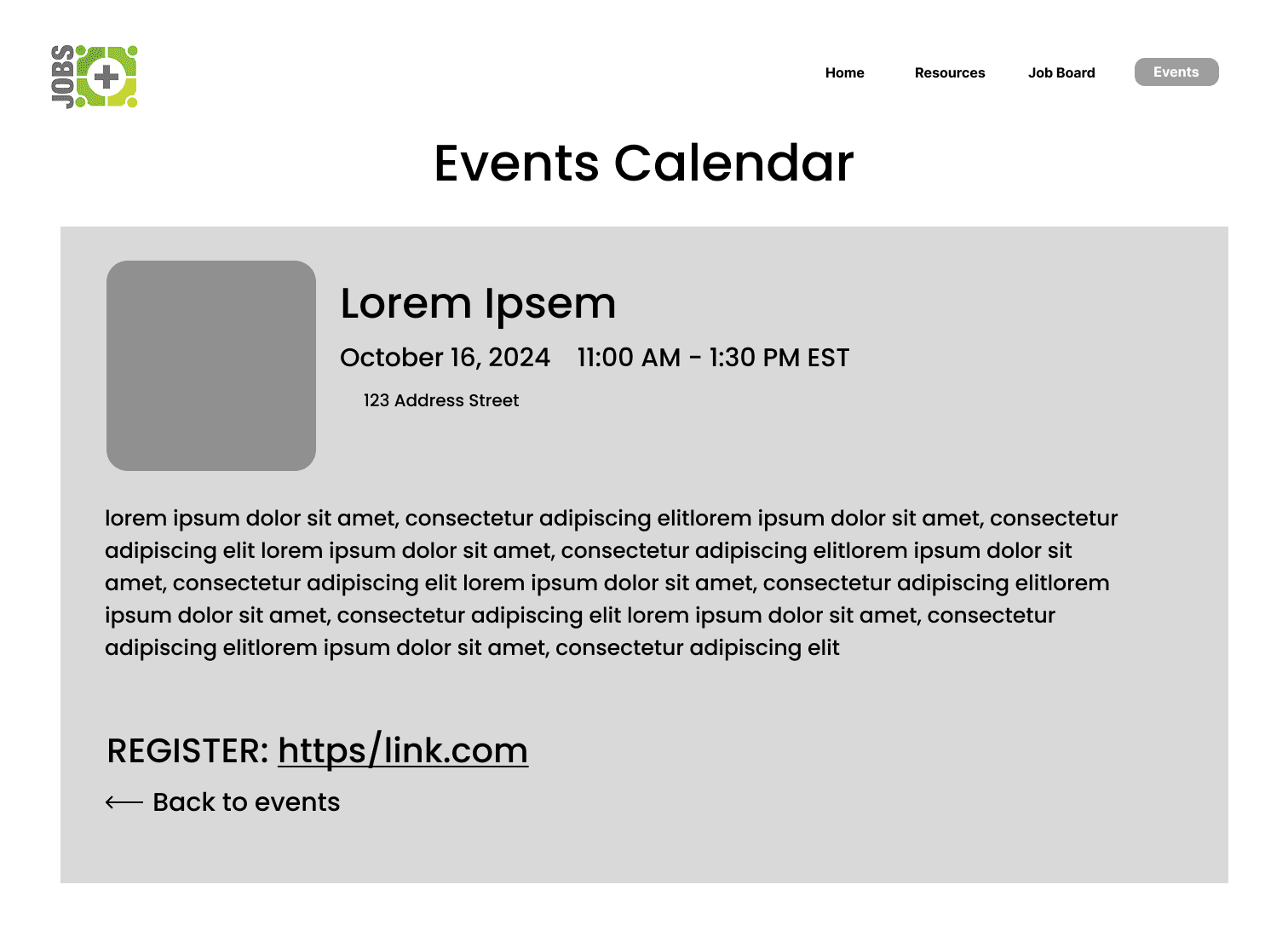
Low-Medium Fidelity
modernized UI with better spacing to not overload the screen with too many events
not enough descriptor elements to indicate event’s purpose
address location could lead to security issues
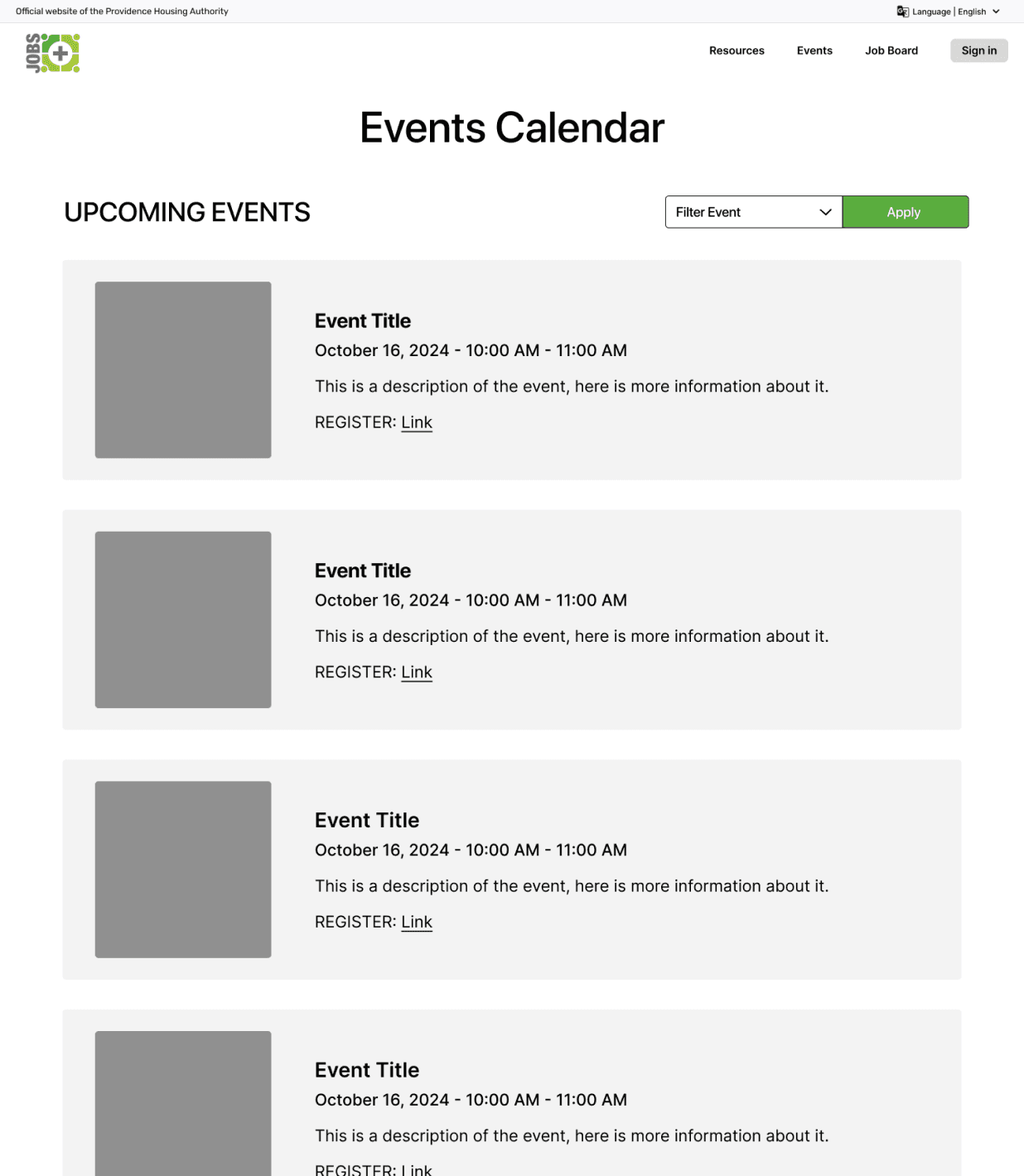
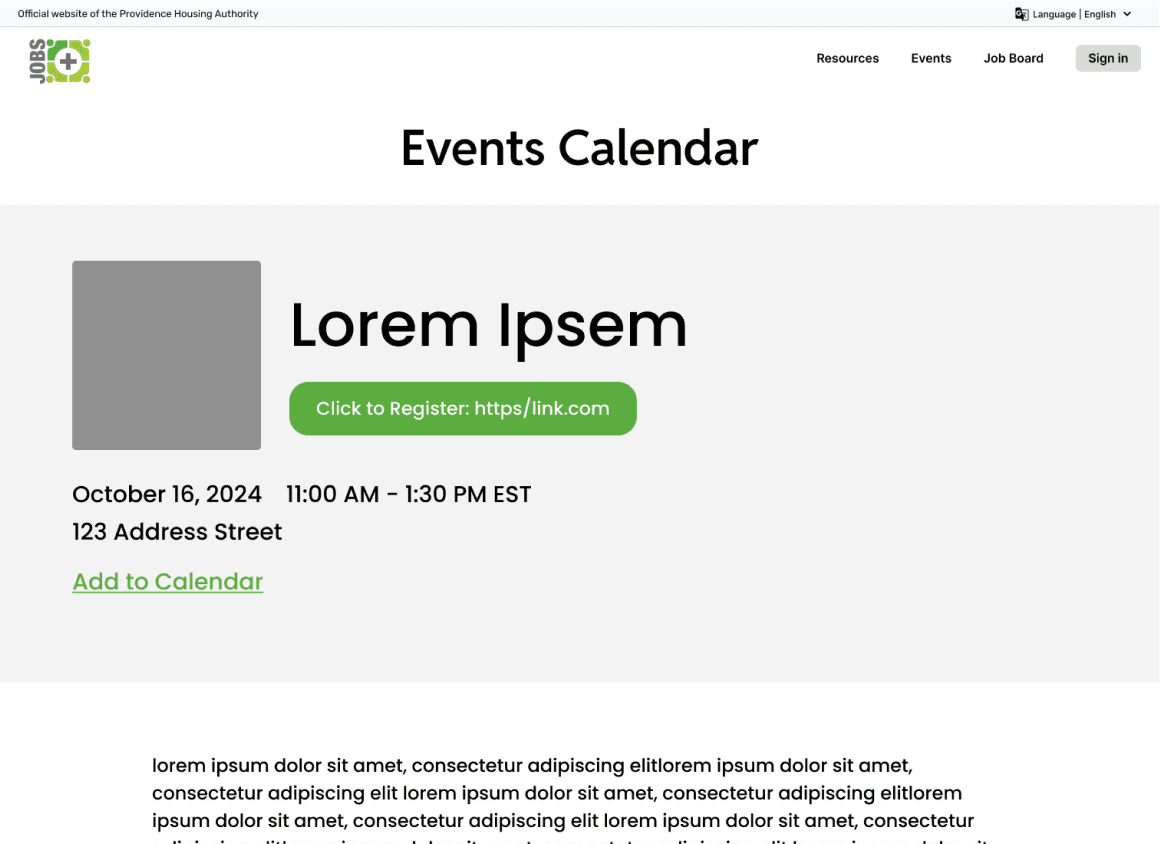
Medium Fidelity
most essential information laid out in the event cards → details within actual page
filtering option more visible to urge users to use the feature
possibly add more color to create visual cues for what to click
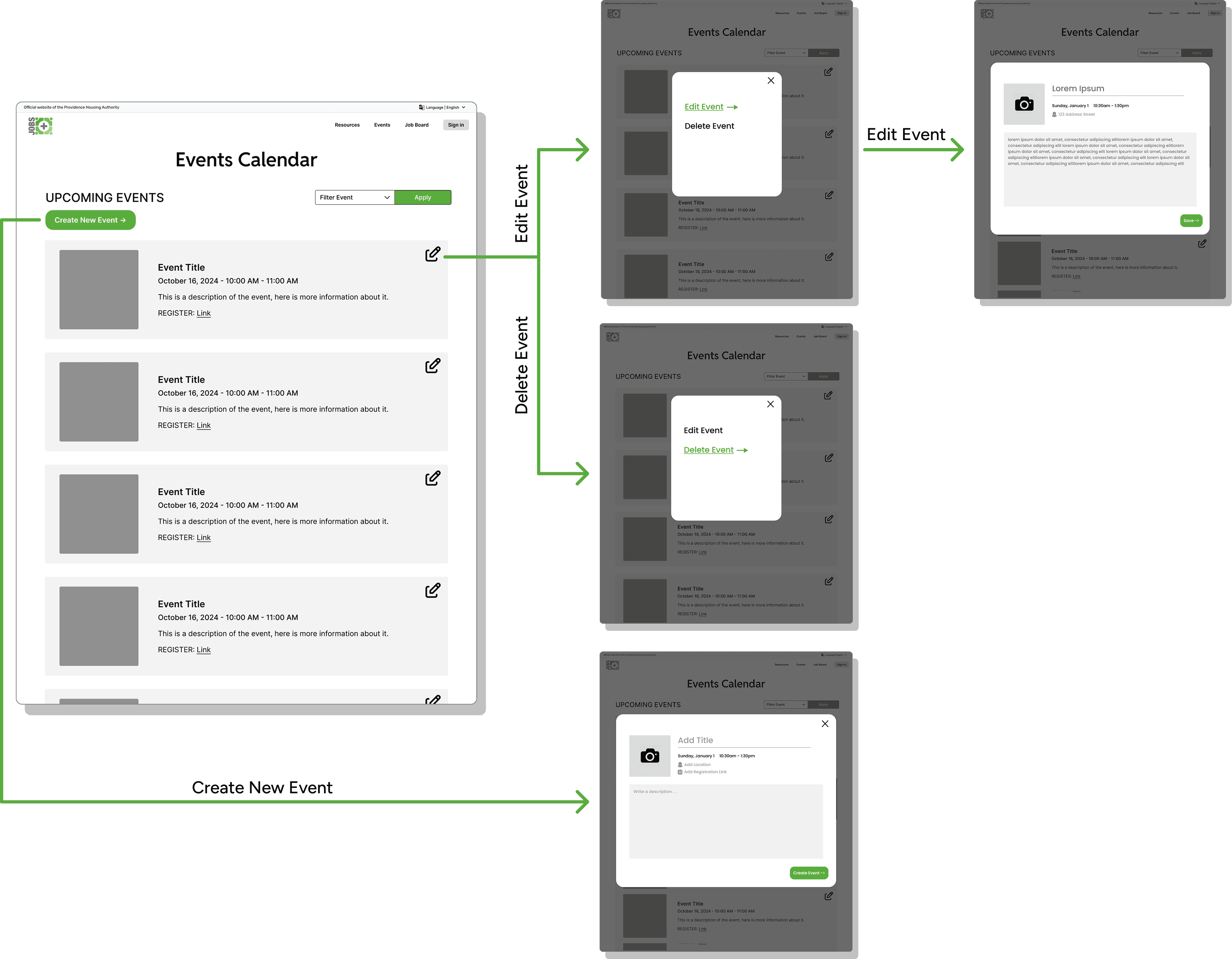
It was also essential to design a separate administrative interface that allows PHA case managers to easily add, edit, and remove events as needed, ensuring the calendar could be kept accurate and up to date.
Resident Portal Iterations
I helped refine the resident portal by standardizing margins and layout inconsistencies, while also improving the overall flow of the experience to make navigation more intuitive and seamless.
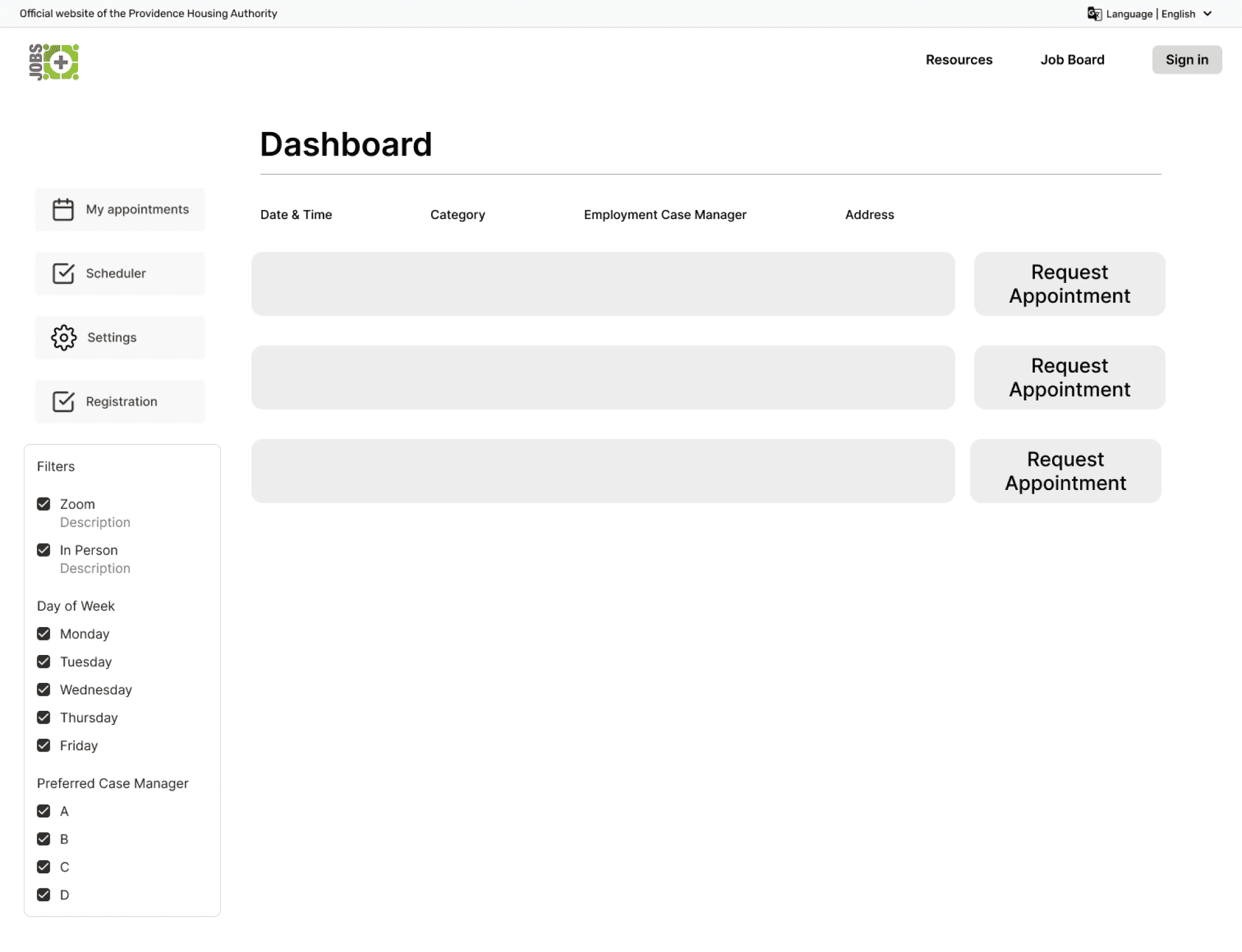
Original Medium Fidelity
clear intent that main focus is to schedule appointments with case managers
font size standardization creates inconsistent visual hierarchy
content table could be reformatted to make separation between categories clearer
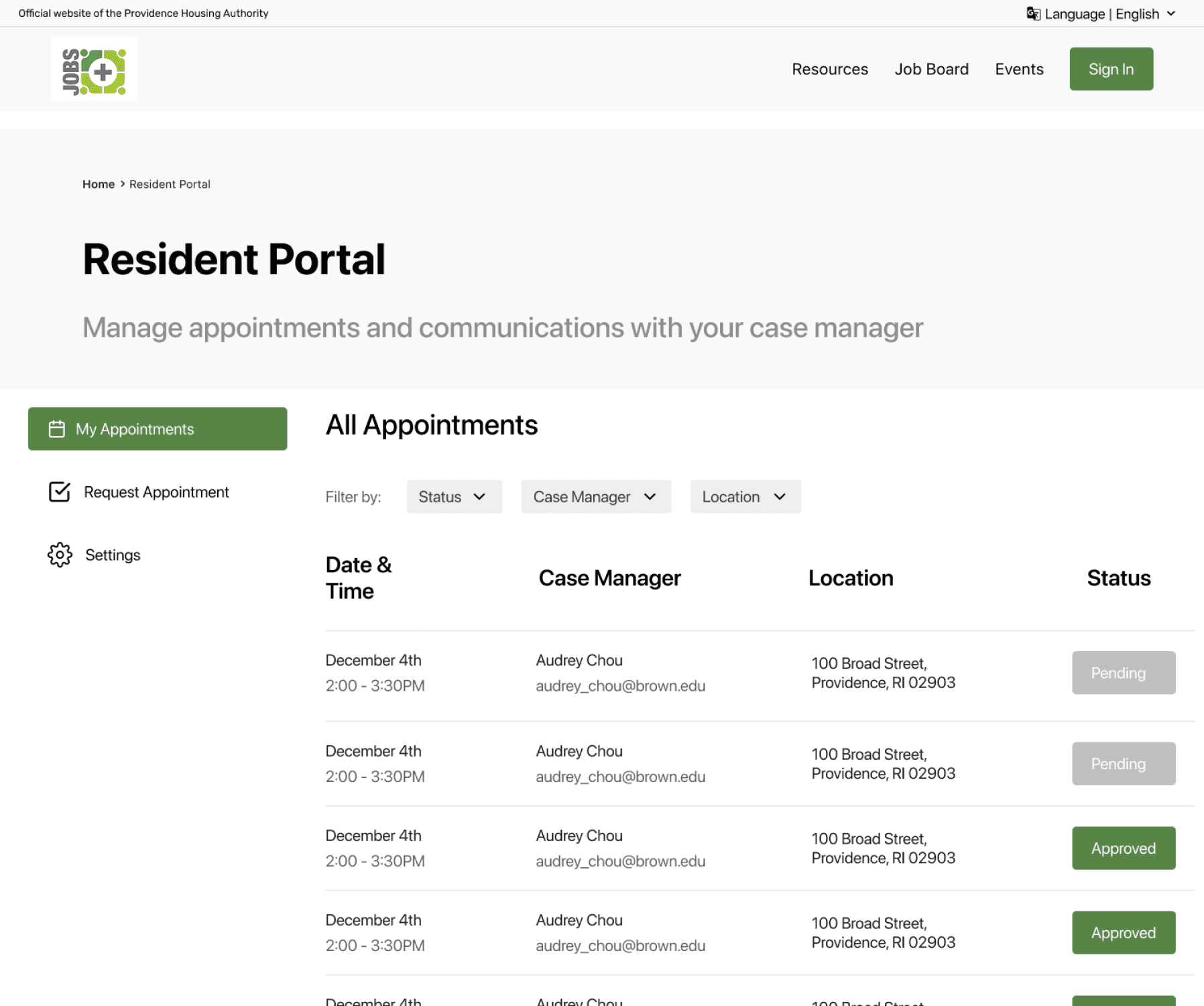
Updated High Fidelity
more description elements that label what the purpose of the section is
better layout with spacing across features
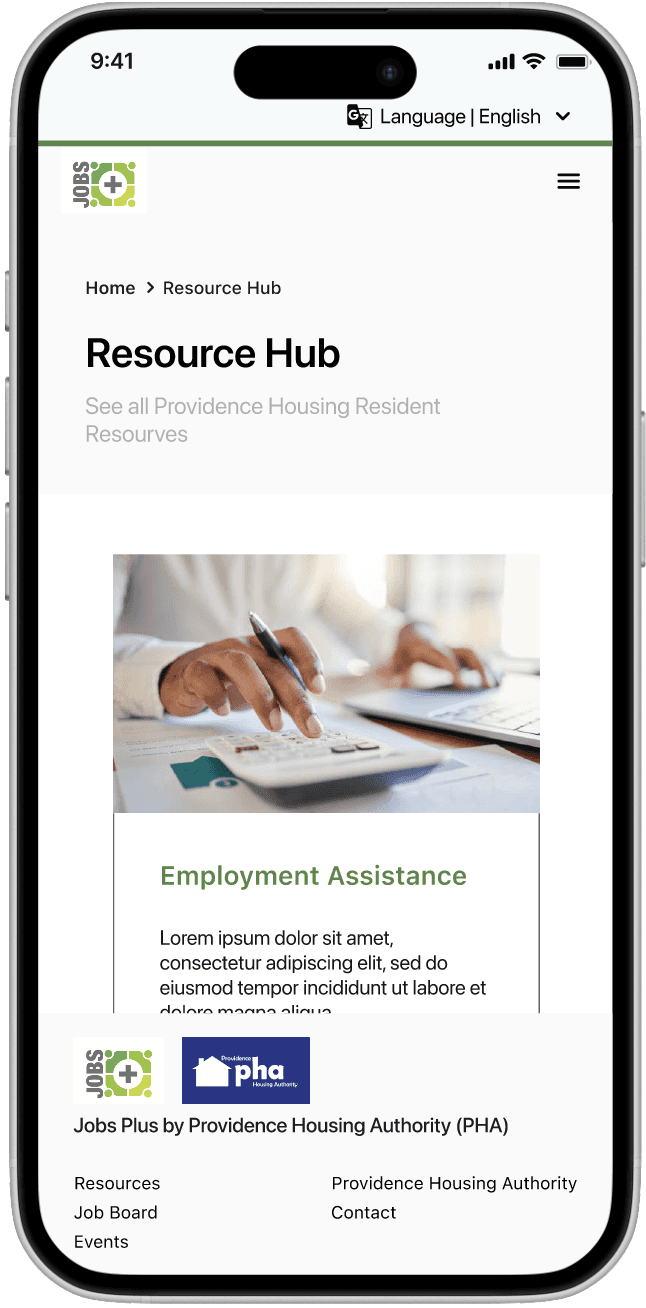
In addition to developing the core website layouts, we recognized that residents would primarily access the platform on mobile devices, while PHA administrators would use it on desktop. To support both use cases, we designed responsive versions of the final product optimized for each audience’s needs and context.
THE FINAL DESIGN
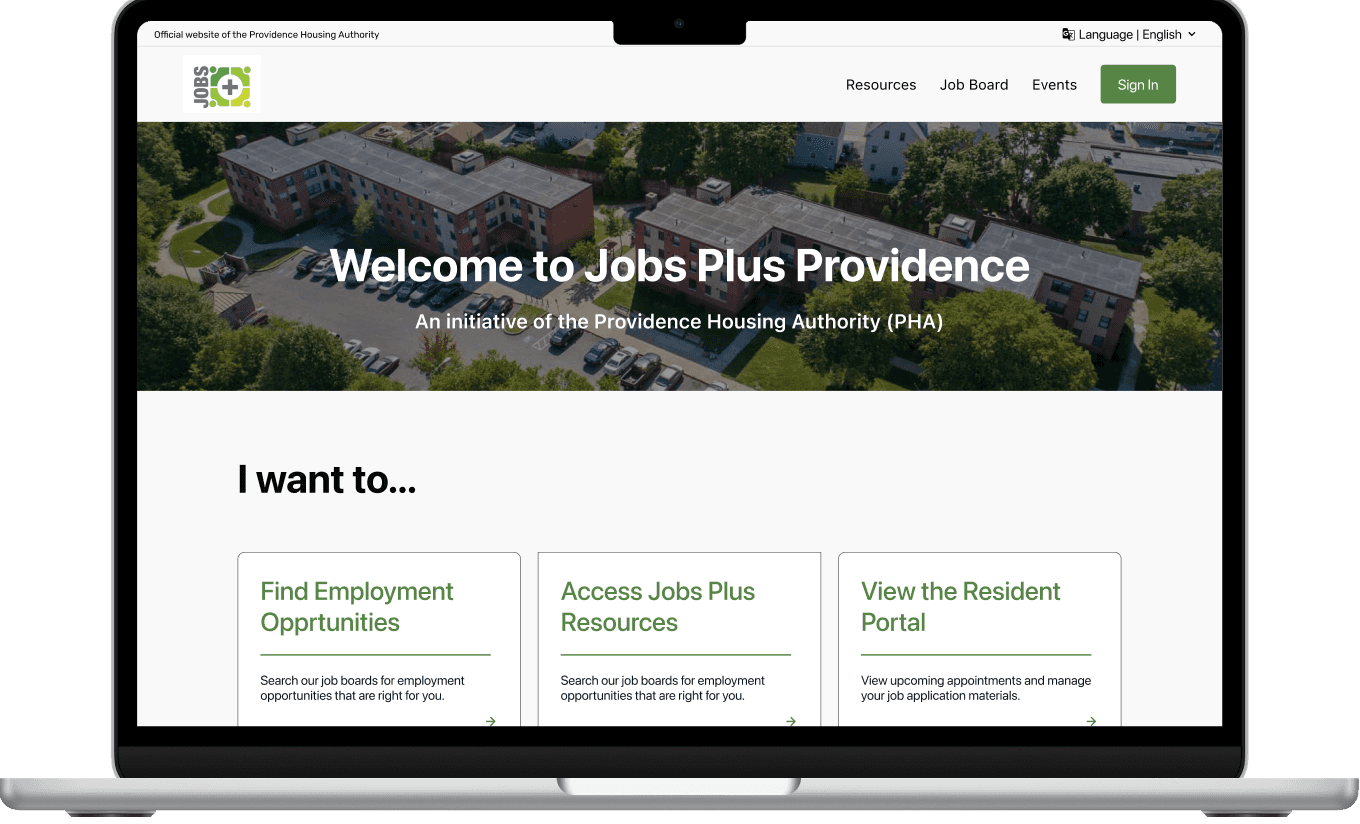
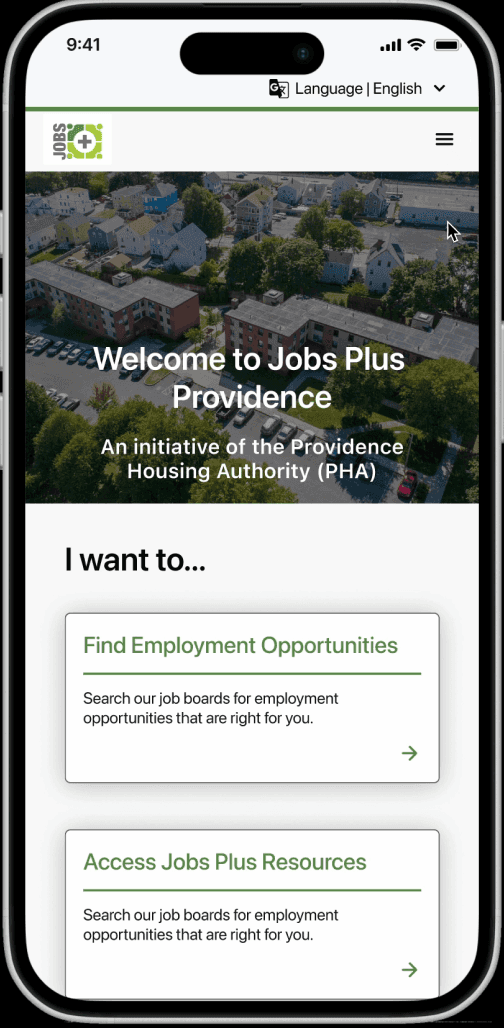
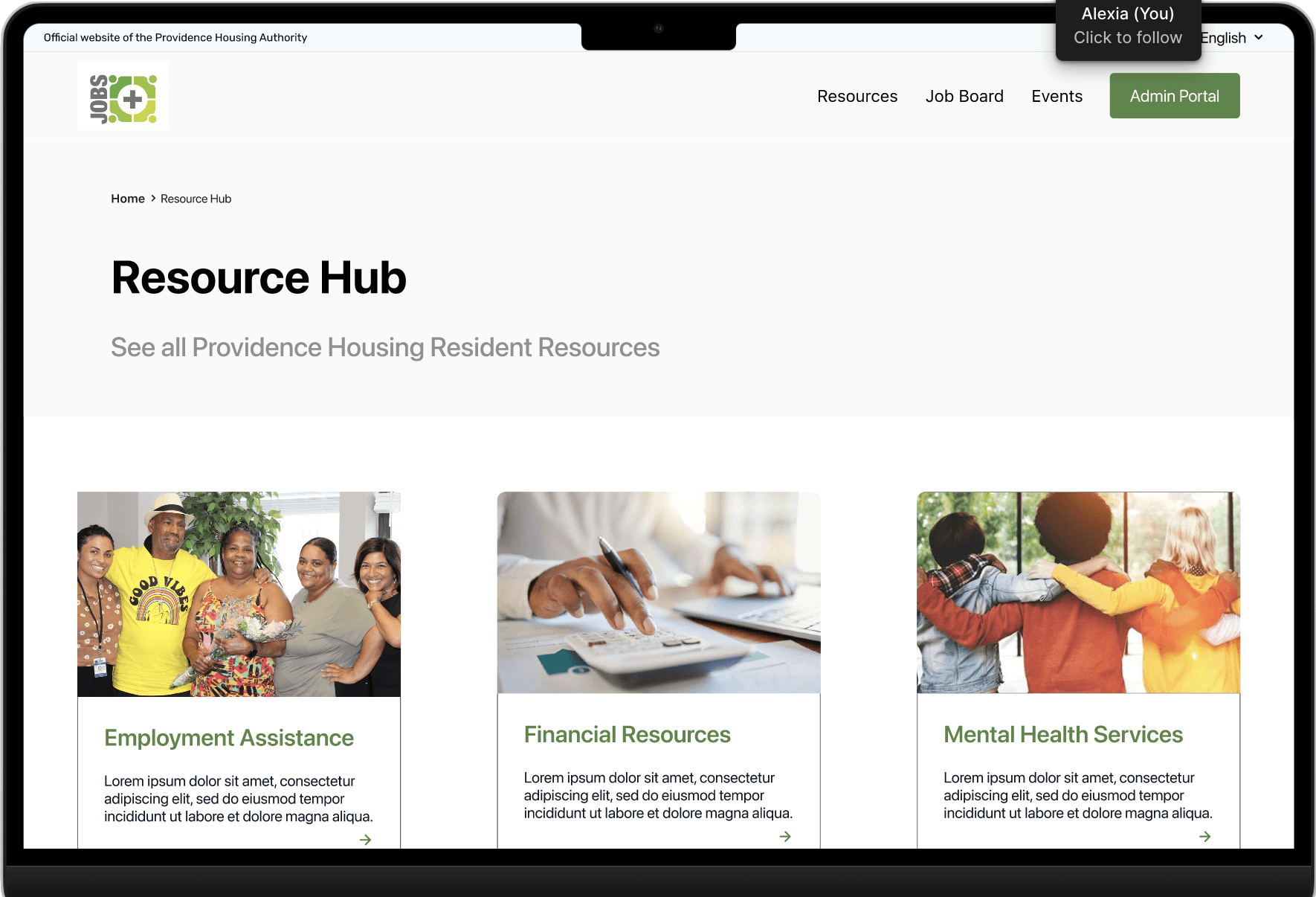
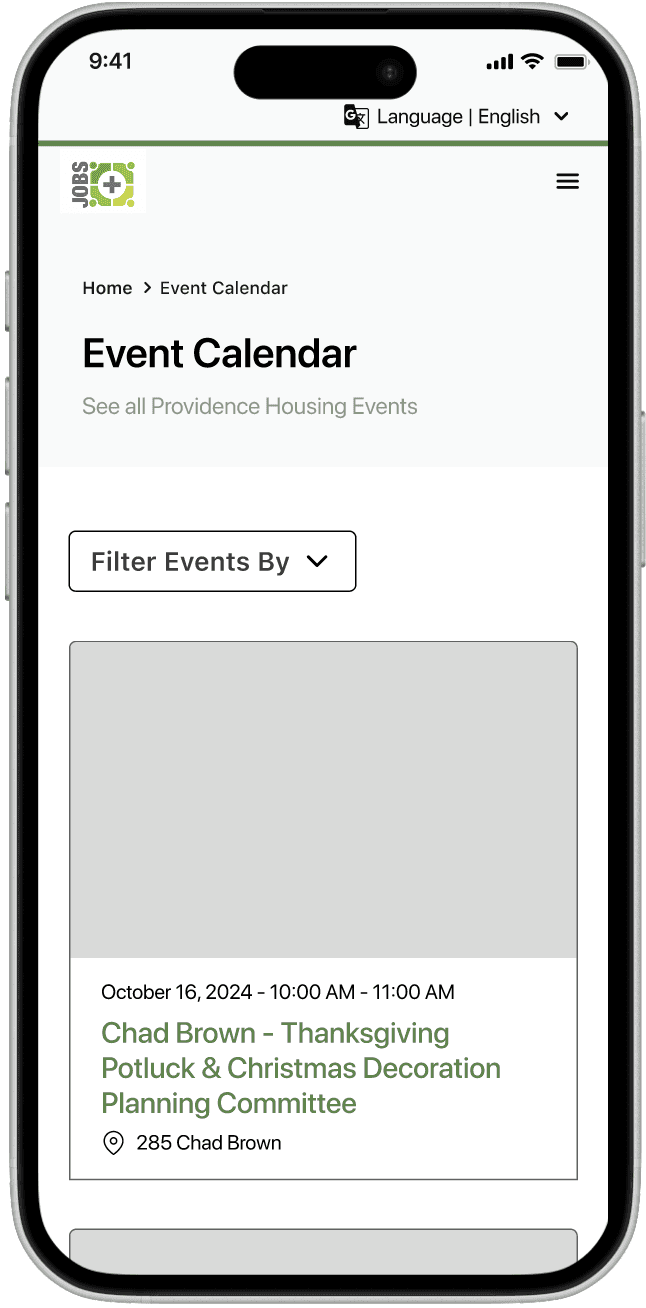
Discover What’s Available,
All in One Place.
Get a clear snapshot of upcoming events, job opportunities, and resources tailored to you—so you always know what’s happening and where to start.
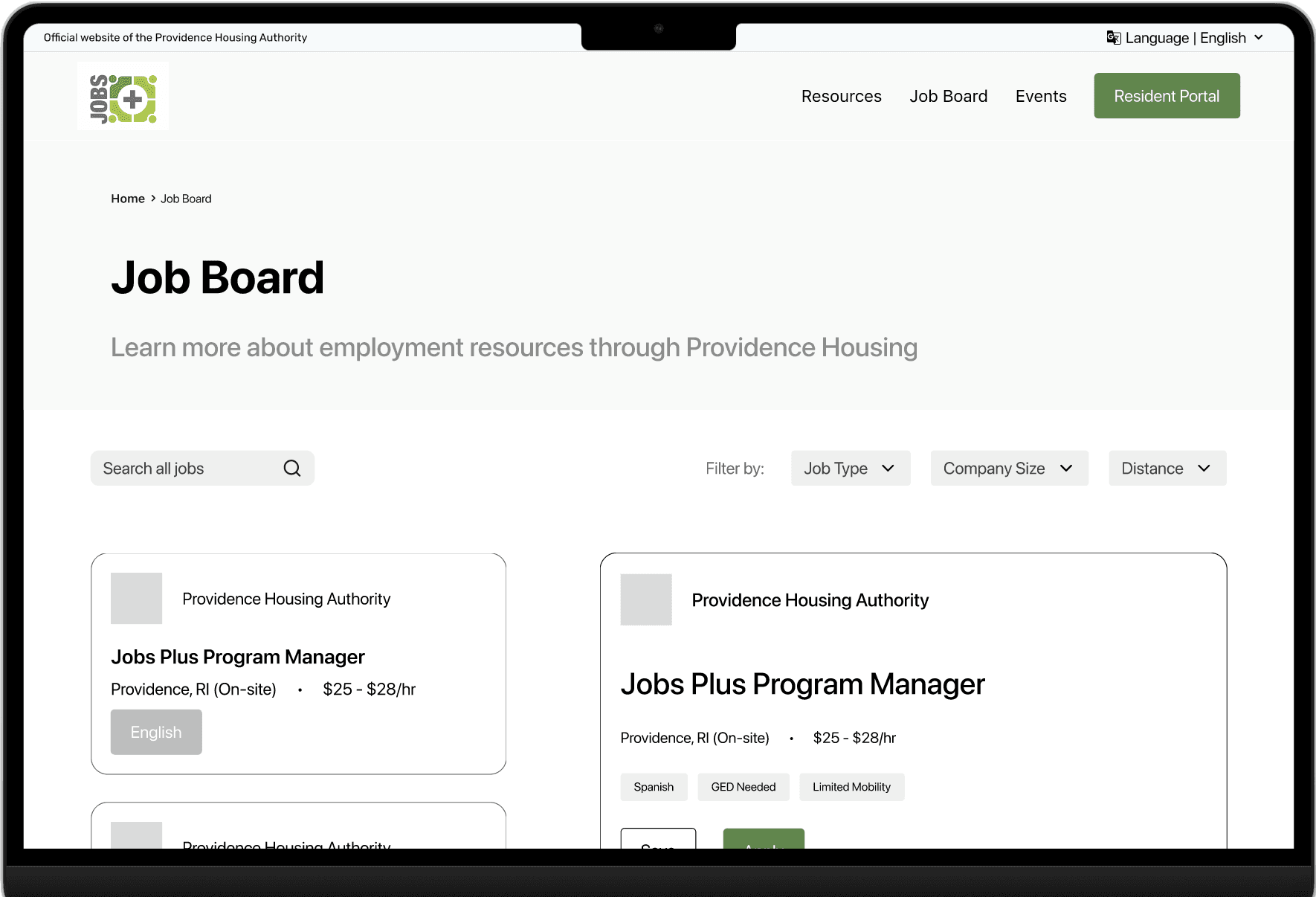
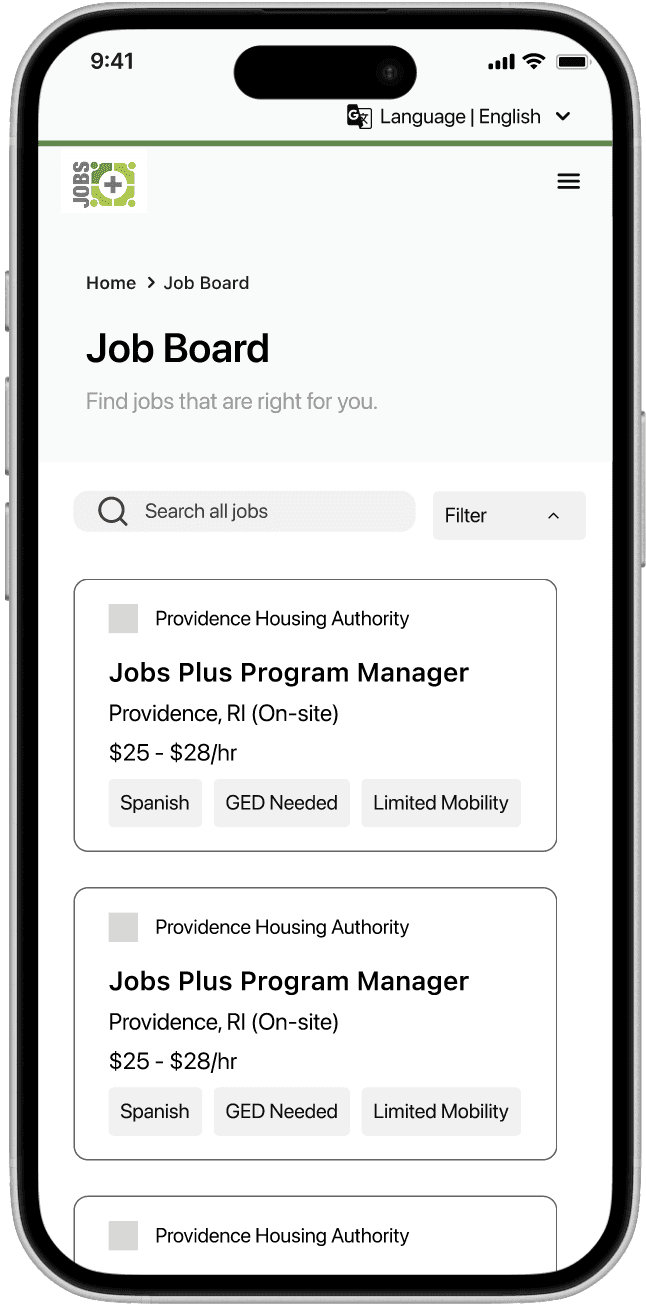
Find Work That Fits Your Life and
Access Support When You Need It.
Explore job opportunities curated for PHA residents, with clear requirements, flexible options, and easy ways to take the next step toward employment.
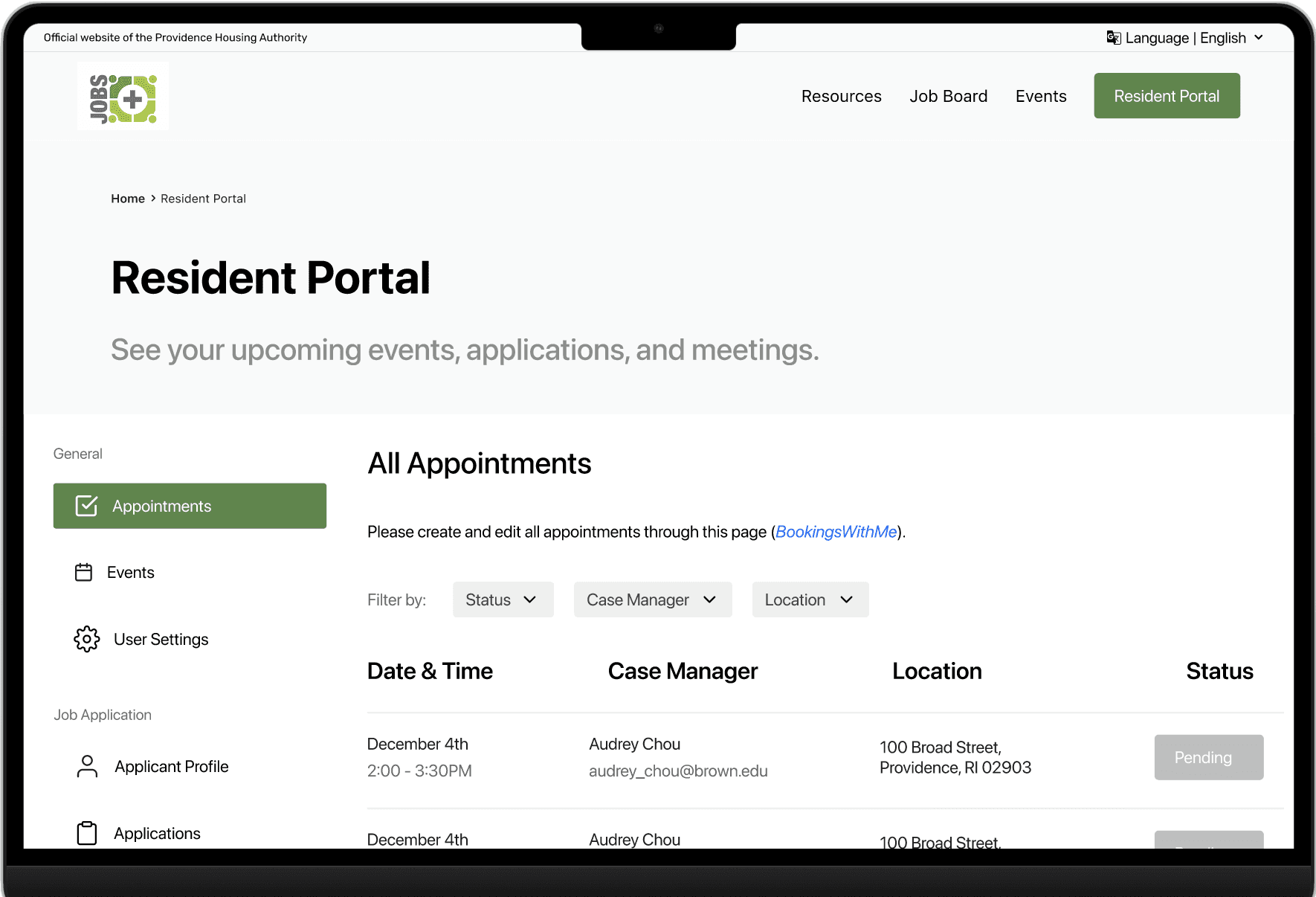
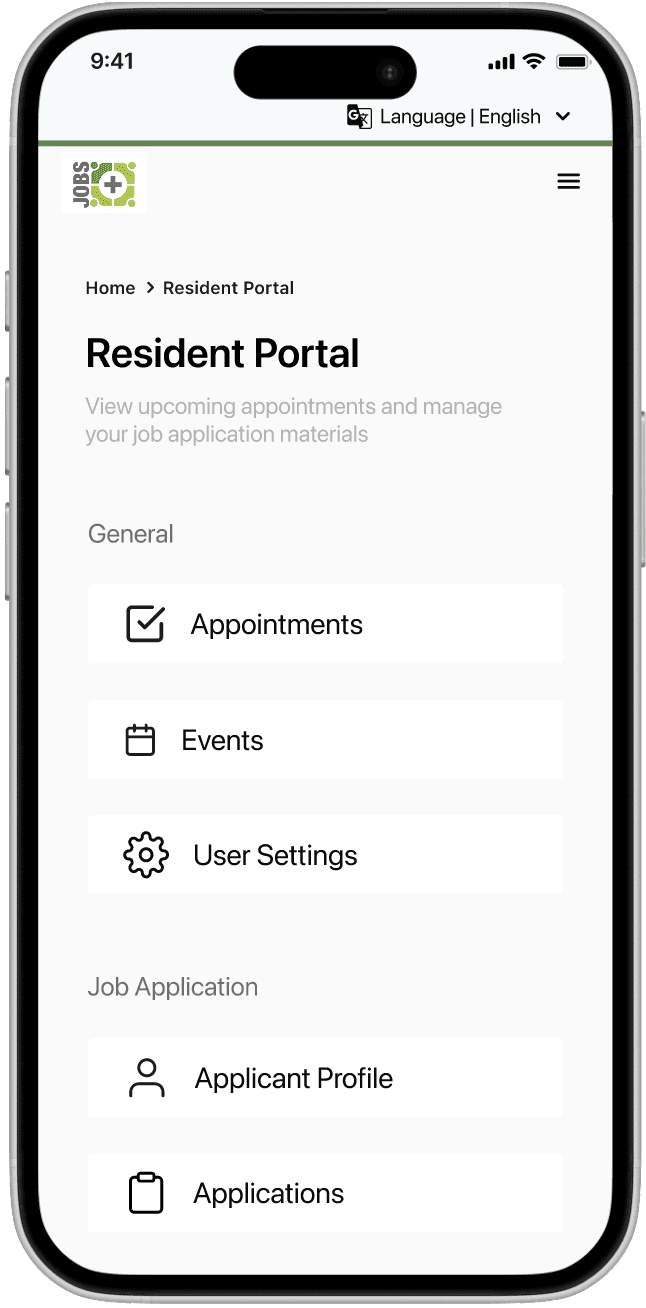
Manage Appointments with Ease.
Schedule, track, and prepare for meetings with your case manager through a simple, mobile-friendly portal designed to fit into your day.
REFLECTIONS & CONCLUSIONS
Design with empathy, humility, and intention.
Working on this project with the Providence Housing Authority reshaped how I think about design and responsibility. Designing for public housing residents, whose lived experiences differ significantly from those of our team, required us to slow down, listen deeply, and let go of assumptions. This project reinforced that good design doesn’t start with solutions, but with humility.
Interviewing both residents and PHA staff grounded our work in reality. Residents helped us understand daily constraints, motivations, and trust barriers, while staff provided insight into systemic limitations and operational workflows. Holding these perspectives together pushed us to design solutions that were not only empathetic, but also feasible and sustainable.
This project also deepened my appreciation for design as a tool for social impact. Designing a platform from 0 → 1 for a grant-funded initiative showed me how digital products can support real-world systems.
Ultimately, working on this project reaffirmed my belief that meaningful design happens at the intersection of research and collaboration, with the most impactful solutions are built with communities, not just for them.
Thanks for stopping by :) ˖.𖥔 ݁ ˖ ⊹ ࣪ ˖
Curious to learn more? Let's grow together❀!

Back to top ↑